Malka Owsiany Recounts by Mark Turkow
|
Book Talk
Co-sponsored by the Skirball Department of Hebrew and Judaic Studies at NYU Admission: Free |
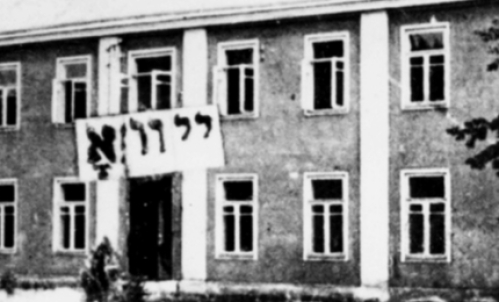
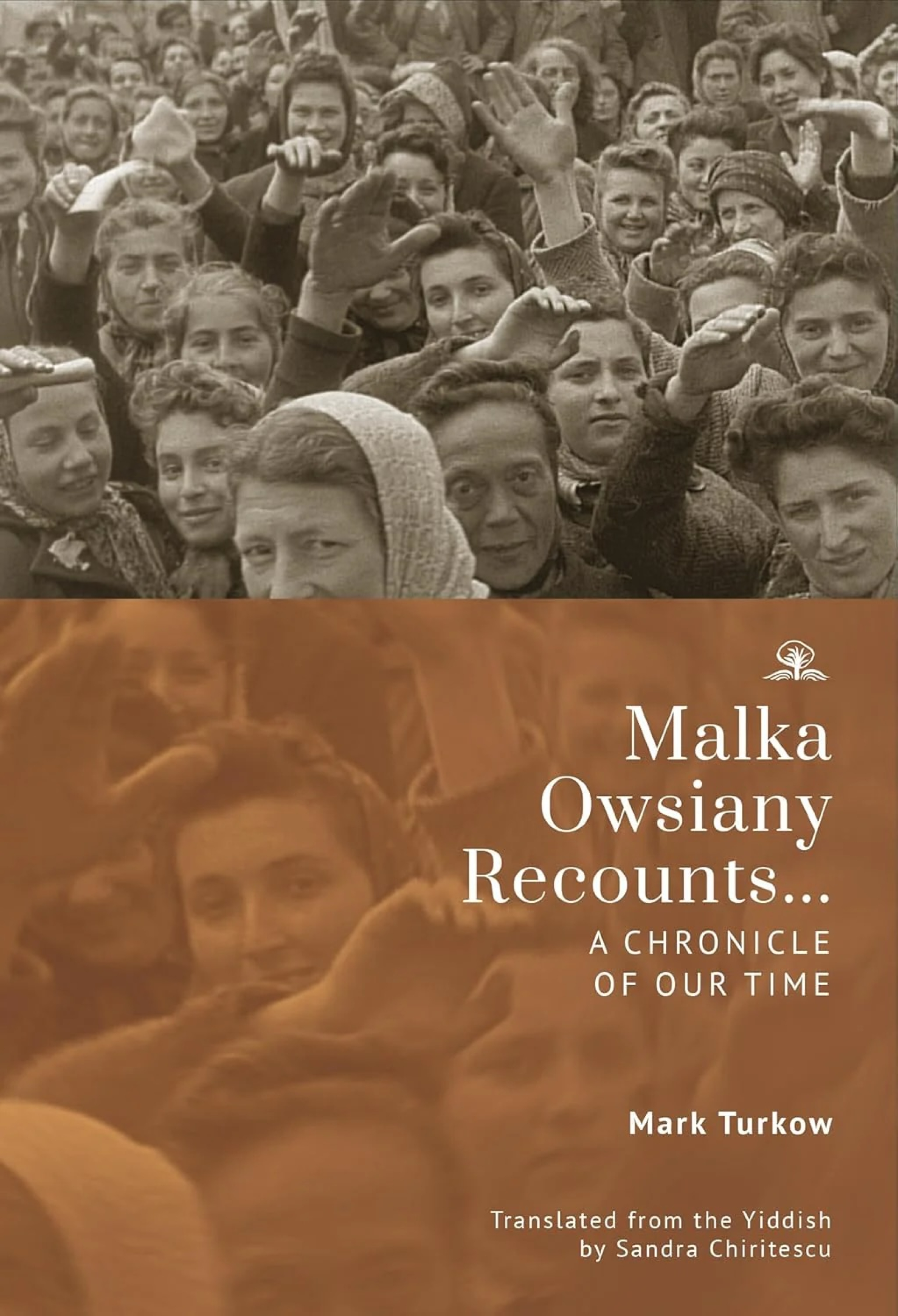
First published in Yiddish in 1946 and translated into Spanish in 2001, Malka Owsiany Recounts...: A Chronicle of Our Time by Mark Turkow is now available for the first time in English. Malka Owsiany was only 20 years old when she described the horrors of the Holocaust to Yiddish writer and Jewish community leader Mark Turkow. Malka’s account was among the first Holocaust testimonies available in the immediate postwar years. She discusses rebuilding her life and marrying a fellow survivor, Meir, as well as her memories of the rich Polish Jewish communal life from her youth that was destroyed by the Nazis.
Join us for a talk with translator Sandra Chiritescu and preface writer Malena Chinski about this English translation, in a discussion led by Rachelle Grossman.
About the Speakers
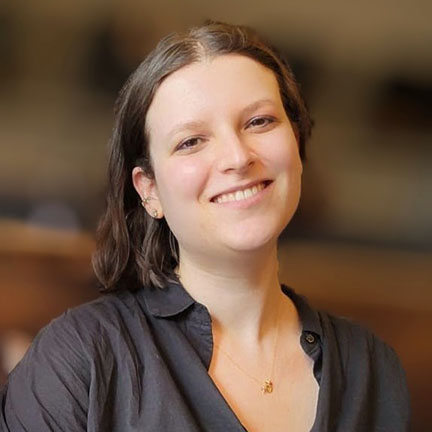
Sandra Chiritescu is Clinical Assistant Professor of Yiddish at New York University. She has previously taught Yiddish at Columbia University and the Worker’s Circle. She holds a BA in German philology from the University of Zurich and a PhD in Yiddish Studies from Columbia University. Her dissertation “Bubbes, Mames and Daughters: Uncovering Twentieth- and Twenty-First Century American Jewish and American Yiddish Feminist Genealogies” brings together her research interests in Yiddish literature and culture, American Jewish literature, feminist and queer theory, and translation theory. Her translation of an early Holocaust survivor testimony from 1946 by a woman is available under the title Malka Owsiany Recounts (Cherry Orchard Press, 2025).
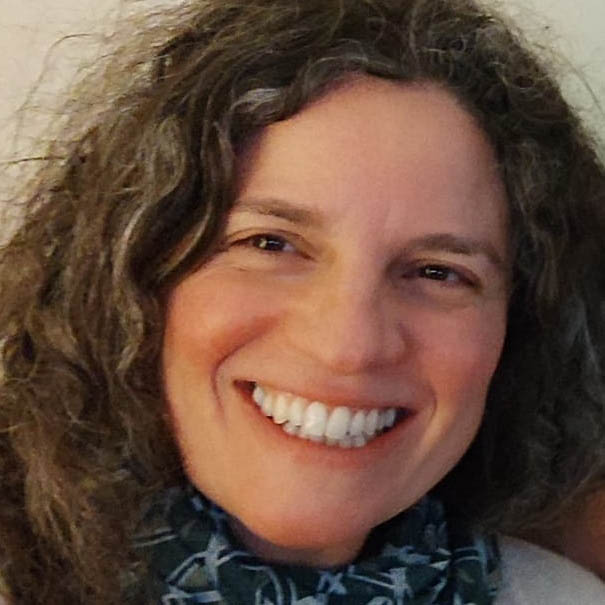
Malena Chinski holds a PhD in Social Sciences from the National University of General Sarmiento (Argentina). Her research focuses on Shoah commemoration and postwar Yiddish culture, particularly in Buenos Aires and Paris. She completed postdoctoral research at the École des Hautes Études en Sciences Sociales in France with support from the Fondation pour la mémoire de la Shoah. She has published widely and co-edited Splendor, Decline, and Rediscovery of Yiddish in Latin America (Brill, 2018). She learned Yiddish at the IWO Foundation of Buenos Aires and teaches Yiddish through YIVO and the Maison de la culture yiddish.
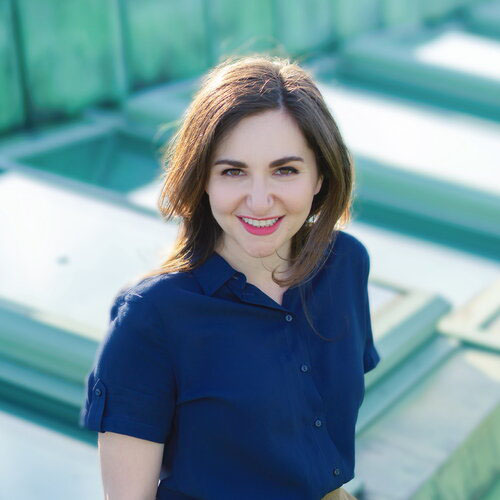
Rachelle Grossman is an assistant professor of comparative literature at the University of Illinois, Urbana-Champaign. Her work focuses on the intersection of Yiddish and its transnational connections with other literatures, languages, and cultures. In her research, she develops a geopolitical approach to literature, focusing especially on the transformation of literary centers and peripheries in the postwar period. She is also interested in technologies of print and how they impact literature as material culture.